"I dream my painting and I paint my dream.
Art is to console those who are broken by life."
Vincent Willem van Gogh was born on March 30, 1853, in
Groot-Zundert, The Netherlands. The son of a pastor, he worked as an
art dealer, teacher, and preacher in Borinage, Belgium, before
finally turning to art in 1881 with the support of his brother,
Theo.
In a short but intense decade, he created approximately
2,100 artworks, including around 860 oil paintings.
Most of his masterpieces were created during the last two years of
his life—a time marked by mental turbulence yet profound artistic
productivity.
Vincent began his career painting peasant life in Nuenen. His work was dominated by somber earth tones, lacking the vivid colors that would later become his trademark. "The Potato Eaters" (1885) was his first major achievement in social realism.
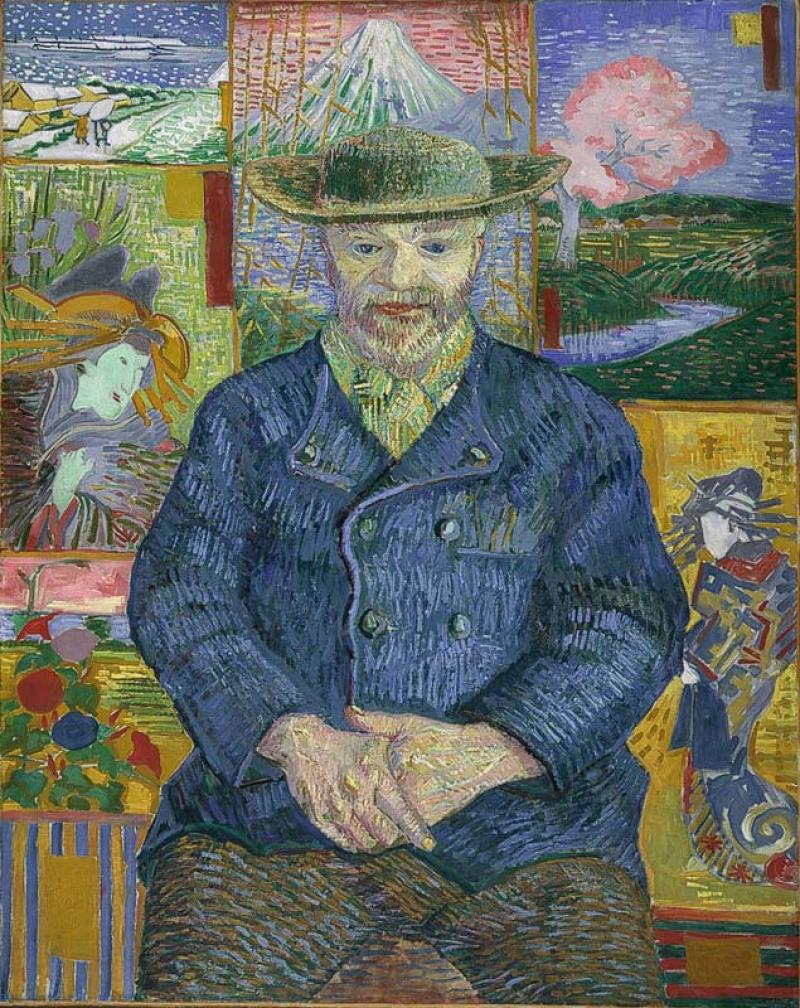
Living with Theo in Montmartre, Vincent met the Impressionists. His color palette changed drastically, becoming brighter. He was also deeply influenced by Japanese woodblock prints (Ukiyo-e), which altered his perspective on composition.
Seeking intense sunlight, he moved to Arles and rented "The Yellow House" with dreams of establishing an artist community. Paul Gauguin joined him, but tensions rose, culminating in the infamous ear-cutting incident in December 1888.
Vincent voluntarily entered the Saint-Paul-de-Mausole asylum. Despite battling mental attacks, he remained prolific. Here, he painted "The Starry Night," which was the view from his bedroom window just before sunrise.
In May 1890, he moved to Auvers to be closer to Theo and Dr. Paul Gachet. On July 27, he shot himself in a wheat field and died 30 hours later from the infection. His final words to Theo were: "The sadness will last forever."
- Vincent van Gogh
Expression of the soul captured in thick brushstrokes (Impasto).
This series was created to welcome Paul Gauguin to Arles. Vincent used varieties of new chrome yellow pigments that were revolutionary at the time.
Unlike his other works painted en plein air, this masterpiece was created from memory and imagination while he was confined in Saint-Rémy.
The first painting where he used a starry background. He successfully depicted a night scene without using the color black at all.
One of his first works upon entering the Saint-Rémy asylum. Vincent called this painting "the lightning conductor for my illness" as painting kept him sane.
Painted on the banks of the Rhône, just minutes from the Yellow House. It captures the effect of artificial gas lighting reflecting on the water.
Vincent was fascinated by the olive trees in Provence. He considered this series a counterpoint to the "Garden of Gethsemane" paintings found in Christian art.